
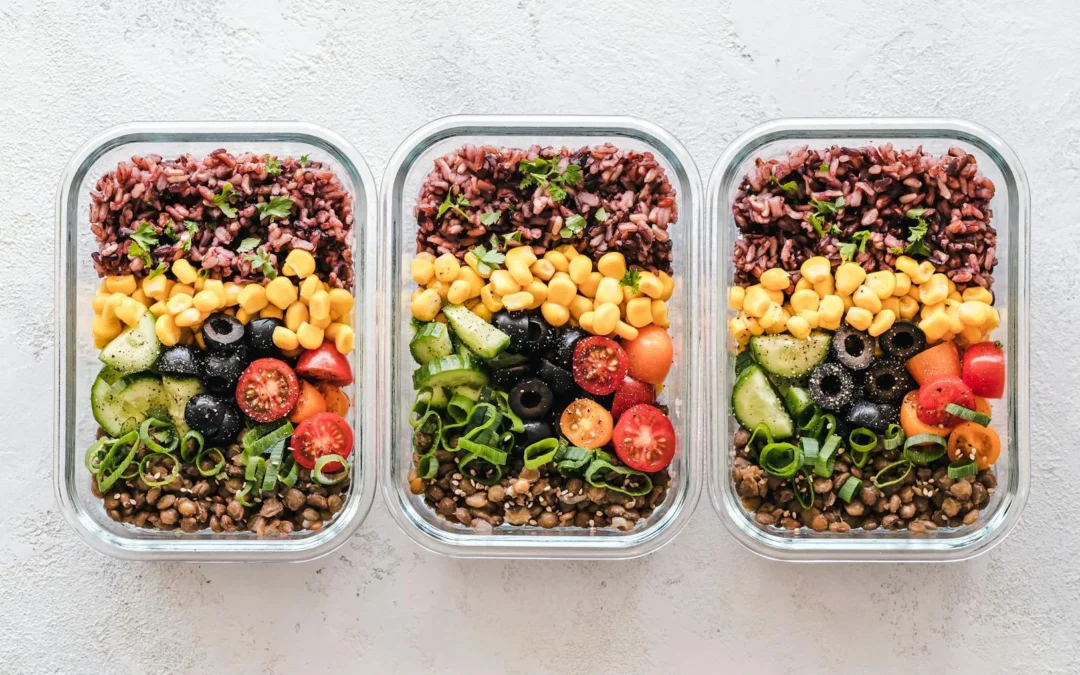
To kickstart a healthier lifestyle, focus on making small, sustainable changes that enhance your physical and mental well-being. By incorporating balanced nutrition, regular exercise, quality sleep, and mindful habits, you’ll find yourself feeling energized and more in control of your health journey. Here are seven essential tips to help you live a healthier, happier life!

Are you tired of feeling sluggish, unmotivated, and constantly battling health issues? 😔 It’s time to take control of your well-being and transform your life! 💪
In today’s fast-paced world, maintaining a healthy lifestyle can seem like an uphill battle. But what if we told you that small, consistent changes could lead to significant improvements in your overall health and happiness? 🌟 From nutrition to exercise, sleep to stress management, there are numerous aspects of our daily lives that we can optimize for better health.
In this blog post, we’ll explore 7 essential tips for a healthier lifestyle that are both practical and effective. Whether you’re a busy professional, a parent juggling multiple responsibilities, or simply someone looking to make positive changes, these tips will help you pave the way to a healthier, more vibrant you. Let’s dive in and discover how you can revolutionize your well-being, one step at a time!

Prioritize Balanced Nutrition
A healthy lifestyle begins with what you put on your plate. Prioritizing balanced nutrition is the cornerstone of overall wellness, providing your body with the essential nutrients it needs to function optimally.
Include a variety of fruits and vegetables
Fruits and vegetables are packed with vitamins, minerals, and antioxidants that support your immune system and overall health. Aim for a colorful plate to ensure you’re getting a wide range of nutrients:
- Red: Tomatoes, strawberries, watermelon
- Green: Spinach, broccoli, kiwi
- Orange/Yellow: Carrots, oranges, bell peppers
- Purple: Eggplant, blueberries, grapes
Choose whole grains over refined carbs
Whole grains provide more fiber, vitamins, and minerals than their refined counterparts. They also help maintain stable blood sugar levels and promote feelings of fullness.
| Whole Grains | Refined Carbs |
|---|---|
| Brown rice | White rice |
| Quinoa | White bread |
| Oats | Pastries |
| Whole wheat | Regular pasta |
Incorporate lean proteins
Protein is essential for building and repairing tissues, as well as maintaining muscle mass. Choose lean sources to keep your diet heart-healthy:
- Skinless poultry
- Fish and seafood
- Legumes and beans
- Low-fat dairy products
Limit processed foods and added sugars
Processed foods often contain high amounts of salt, unhealthy fats, and added sugars, which can contribute to various health issues. Instead, focus on whole, minimally processed foods to maximize your nutrient intake and support your overall health.

Stay Hydrated
Proper hydration is a cornerstone of a healthy lifestyle, offering numerous benefits for our bodies and minds. Let’s explore effective ways to ensure you’re getting enough fluids throughout the day.
A. Drink water throughout the day
Maintaining consistent water intake is crucial for optimal hydration. Here are some strategies to help you drink more water:
- Set reminders on your phone or use a water tracking app
- Keep a reusable water bottle with you at all times
- Drink a glass of water before each meal
- Consume water-based beverages like herbal tea or infused water
B. Replace sugary drinks with water or herbal tea
Swapping out sugary beverages for healthier alternatives can significantly improve your hydration and overall health:
| Sugary Drink | Healthy Alternative | Benefits |
|---|---|---|
| Soda | Sparkling water with lemon | Zero calories, no added sugar |
| Sports drinks | Coconut water | Natural electrolytes, less sugar |
| Sweetened tea | Herbal tea | Antioxidants, no added sugar |
C. Eat water-rich foods
Incorporating water-rich foods into your diet is an excellent way to boost hydration:
- Fruits: Watermelon, strawberries, oranges
- Vegetables: Cucumber, lettuce, zucchini
- Soups and broths
By implementing these hydration strategies, you’ll be well on your way to maintaining a healthier lifestyle. Next, we’ll explore the importance of regular exercise in achieving overall wellness.

Exercise Regularly
Now that we’ve covered the importance of nutrition and hydration, let’s focus on another crucial aspect of a healthy lifestyle: regular exercise.
Find activities you enjoy
The key to maintaining a consistent exercise routine is to choose activities that you genuinely enjoy. This could range from:
- Dancing
- Swimming
- Hiking
- Cycling
- Team sports
By selecting activities you love, you’re more likely to stick to your exercise regimen long-term.
Aim for 150 minutes of moderate exercise weekly
The World Health Organization recommends at least 150 minutes of moderate-intensity aerobic activity per week for adults. This can be broken down into:
| Days per week | Minutes per day | Total weekly minutes |
|---|---|---|
| 5 | 30 | 150 |
| 3 | 50 | 150 |
| 7 | 22 | 154 |
Include both cardio and strength training
A well-rounded exercise routine should include both cardiovascular exercises and strength training. Cardio improves heart health and burns calories, while strength training builds muscle and boosts metabolism.
Take regular breaks from sitting
Even if you meet the recommended exercise guidelines, prolonged sitting can negatively impact your health. Try to:
- Stand up every hour
- Take short walks during breaks
- Use a standing desk if possible
- Stretch regularly throughout the day
By incorporating these strategies into your daily routine, you’ll be well on your way to a more active and healthier lifestyle. Next, we’ll explore the importance of quality sleep in maintaining overall well-being.

Get Sufficient Sleep
Now that we’ve covered the importance of nutrition, hydration, and exercise, let’s focus on another crucial aspect of a healthy lifestyle: getting sufficient sleep.
Establish a consistent sleep schedule
Maintaining a regular sleep schedule is key to improving your overall sleep quality. Try to:
- Go to bed and wake up at the same time every day, even on weekends
- Aim for 7-9 hours of sleep per night
- Avoid naps longer than 30 minutes during the day
Create a relaxing bedtime routine
A calming pre-sleep routine can help signal to your body that it’s time to wind down. Consider incorporating these activities:
- Read a book or listen to soothing music
- Practice gentle stretching or yoga
- Try meditation or deep breathing exercises
Optimize your sleep environment
Your bedroom setup can significantly impact your sleep quality. Here’s how to create an ideal sleep environment:
| Factor | Recommendation |
|---|---|
| Temperature | Keep it cool (60-67°F or 15-19°C) |
| Lighting | Use blackout curtains or an eye mask |
| Noise | Use earplugs or a white noise machine |
| Bedding | Invest in a comfortable mattress and pillows |
By prioritizing these sleep-related tips, you’ll be well on your way to improving your overall health and well-being. Next, we’ll explore effective stress management techniques to further enhance your healthier lifestyle journey.

Manage Stress Effectively
In our fast-paced world, managing stress is crucial for maintaining a healthy lifestyle. Let’s explore effective strategies to keep stress at bay and promote overall well-being.
Practice mindfulness or meditation
Incorporating mindfulness or meditation into your daily routine can significantly reduce stress levels. These practices help you focus on the present moment, allowing you to:
- Calm racing thoughts
- Improve emotional regulation
- Enhance self-awareness
Start with just 5-10 minutes a day and gradually increase the duration as you become more comfortable.
Engage in relaxation techniques
Various relaxation techniques can help alleviate stress and promote a sense of calm. Consider trying:
- Deep breathing exercises
- Progressive muscle relaxation
- Guided imagery
- Yoga or gentle stretching
Prioritize self-care activities
Self-care is essential for managing stress effectively. Create a self-care plan that includes activities you enjoy and find rejuvenating. Here’s a comparison of different self-care activities:
| Physical Self-Care | Emotional Self-Care | Social Self-Care |
|---|---|---|
| Exercise | Journaling | Spending time with friends |
| Getting enough sleep | Practicing gratitude | Joining a club or group |
| Eating nutritious meals | Engaging in hobbies | Volunteering |
| Taking relaxing baths | Reading for pleasure | Connecting with family |
Seek support when needed
Don’t hesitate to reach out for help when stress becomes overwhelming. Talking to a trusted friend, family member, or professional can provide valuable perspective and support. Remember, seeking help is a sign of strength, not weakness.
By implementing these stress management techniques, you’ll be better equipped to handle life’s challenges and maintain a healthier lifestyle. Next, we’ll explore the importance of limiting harmful habits to further enhance your overall well-being.

Limit Harmful Habits
Now that we’ve covered stress management, let’s focus on limiting harmful habits that can significantly impact your health. By making conscious choices to reduce or eliminate these habits, you can greatly improve your overall well-being.
A. Reduce alcohol consumption
Excessive alcohol intake can lead to numerous health issues, including liver damage, increased risk of certain cancers, and impaired cognitive function. To reduce your alcohol consumption:
- Set weekly limits and stick to them
- Opt for alcohol-free days
- Choose lower-alcohol or non-alcoholic alternatives
- Practice mindful drinking by savoring each sip
B. Quit smoking or avoid second-hand smoke
Smoking is one of the most harmful habits for your health. If you’re a smoker, quitting can dramatically improve your health outcomes. If you don’t smoke, avoid exposure to second-hand smoke. Here’s a comparison of the benefits of quitting smoking:
| Time Since Quitting | Health Benefits |
|---|---|
| 20 minutes | Heart rate and blood pressure drop |
| 12 hours | Carbon monoxide levels in blood return to normal |
| 2-12 weeks | Circulation improves and lung function increases |
| 1-9 months | Coughing and shortness of breath decrease |
| 1 year | Risk of coronary heart disease is cut in half |
C. Minimize excessive caffeine intake
While moderate caffeine consumption can have some benefits, excessive intake can lead to:
- Sleep disturbances
- Increased anxiety
- Digestive issues
- Elevated blood pressure
To minimize excessive caffeine intake:
- Set a caffeine curfew (e.g., no caffeine after 2 PM)
- Gradually reduce your daily intake
- Explore caffeine-free alternatives like herbal teas
- Be mindful of hidden caffeine sources in foods and beverages
By addressing these harmful habits, you’ll be taking significant steps towards a healthier lifestyle. Next, we’ll discuss the importance of regular health check-ups in maintaining your well-being.

Regular Health Check-ups
Now that we’ve covered various lifestyle habits, let’s focus on the importance of regular health check-ups. These routine examinations are crucial for maintaining your overall well-being and catching potential health issues early.
Schedule Annual Physical Exams
Annual physical exams serve as a cornerstone of preventive healthcare. These comprehensive check-ups allow your doctor to:
- Assess your overall health
- Screen for potential health risks
- Update your medical history
- Provide personalized health advice
Stay Up-to-Date with Vaccinations
Keeping your immunizations current is vital for protecting yourself and others from preventable diseases. Here’s a simple vaccination checklist:
- Seasonal flu shot
- Tetanus booster (every 10 years)
- Shingles vaccine (for adults 50+)
- Pneumococcal vaccine (for adults 65+)
Monitor Key Health Indicators
Regular monitoring of essential health metrics helps you stay informed about your body’s condition. Keep track of these indicators:
| Health Indicator | Recommended Frequency |
|---|---|
| Blood pressure | At least annually |
| Cholesterol levels | Every 4-6 years |
| Blood sugar | Every 3 years |
| Body Mass Index (BMI) | Annually |
Address Health Concerns Promptly
Don’t ignore persistent symptoms or health changes. Addressing concerns early can prevent minor issues from becoming major problems. Remember, your health is your most valuable asset, and regular check-ups are an investment in your long-term well-being.
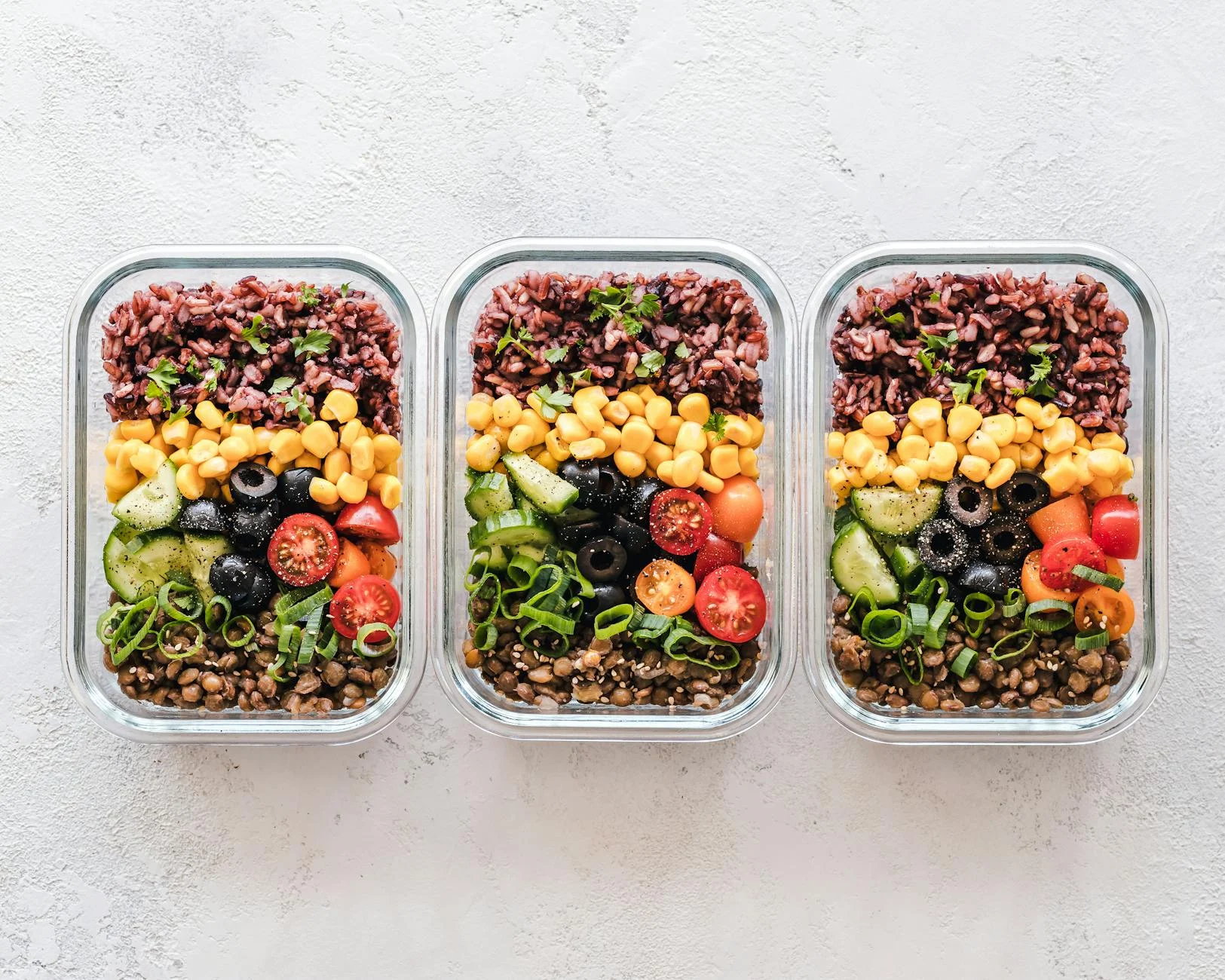
Embracing a healthier lifestyle doesn’t have to be overwhelming. By focusing on balanced nutrition, staying hydrated, exercising regularly, and getting enough sleep, you can make significant strides towards better health. Managing stress, limiting harmful habits, and scheduling regular health check-ups further contribute to your overall well-being.
Remember, small, consistent changes can lead to remarkable improvements in your health and quality of life. Start implementing these tips today, and you’ll be on your way to a healthier, happier you. Your future self will thank you for the positive choices you make now.
